How retail inventory moves
A product's path from supplier to shelf involves forecasts, storage, replenishment, and decisions about where stock is sent. Understanding that path explains why a listing can show availability in one place and a delay in another.
From forecast to shelf
A shopper sees a device listed as available for pickup at one store but delayed for home delivery. The units may sit in different inventories with separate systems and fulfillment priorities. The two promises describe different supply paths, not necessarily contradictory information.

The promise made at checkout
When availability matters, identify the fulfillment route: store pickup, local delivery, or warehouse shipping. Check the final confirmation and the seller's policy for a missed pickup or delayed shipment.
A reservation is not a shipment
Compare one product across two branches and the retailer's website. Record the stated availability, fulfillment method, and estimated handover time. Ask which parts reflect physical inventory and which depend on a future movement of stock.
Why stock differs by channel
Inventory in different places
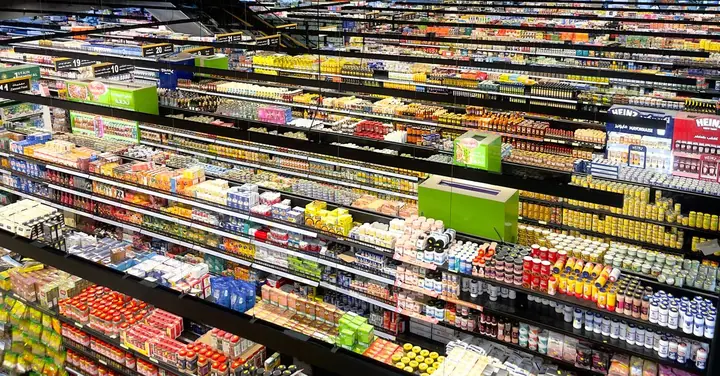
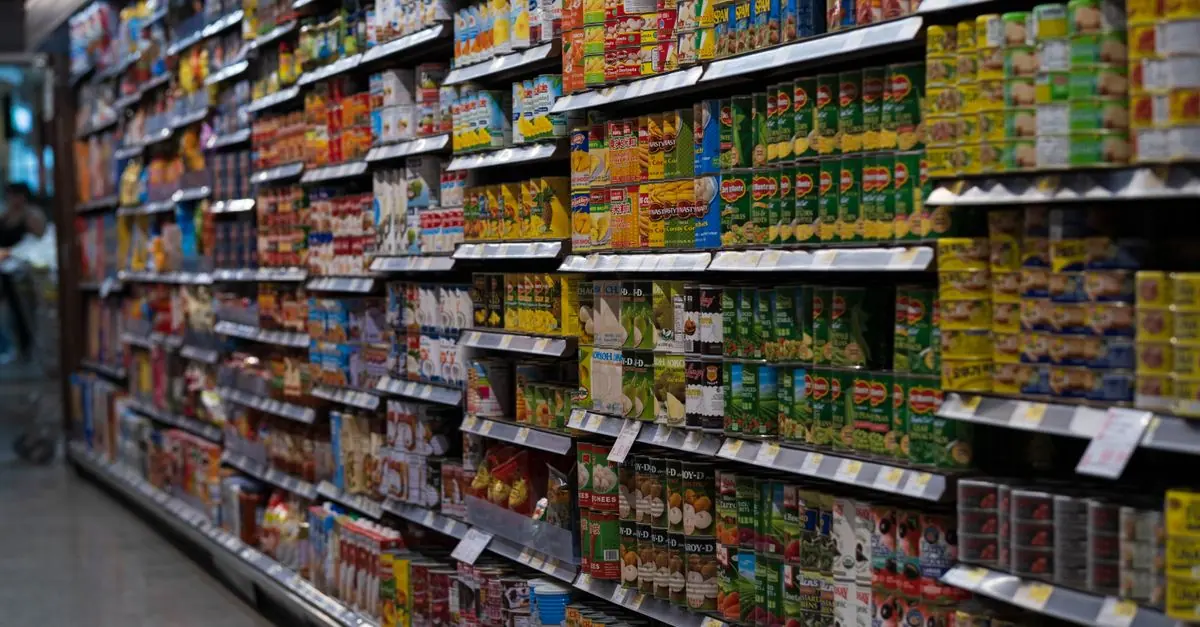
Retailers forecast demand before they know exactly what will sell. They divide stock among warehouses, stores, and online fulfillment centers, then adjust when actual demand differs. A visible stock count may update after orders are placed or after staff reconcile shelves. Some products are held for returns, reservations, or display, so a number on a website may not equal an immediately saleable item. Distribution choices also reflect transport capacity and the cost of keeping unsold goods in a particular location. For readers, the useful distinction is between stock that exists somewhere in the network and stock that can fulfill this order by this date. Confirm the specific pickup or delivery commitment at checkout.
When availability changes
Availability indicators can change between browsing and purchase. Do not make an urgent plan around a stock badge until the seller confirms the actual order.