Why retailers build private labels
A store's own brand can change price, shelf space, and bargaining power. The label alone does not tell shoppers whether quality is better or worse.
Who controls the label
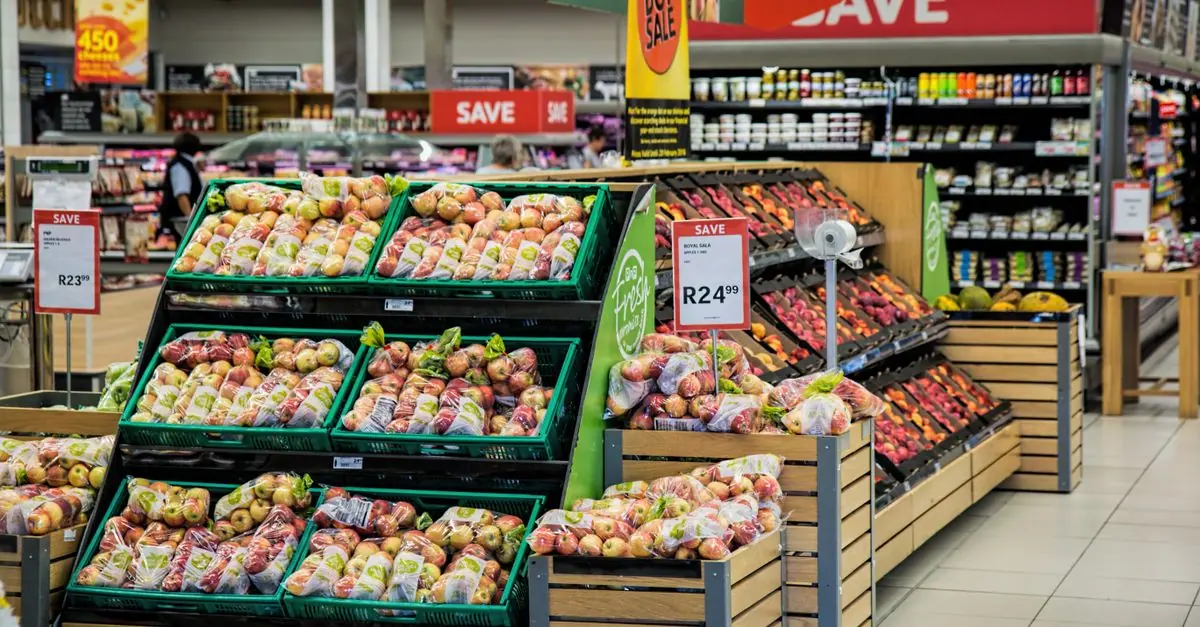
A supermarket places its own cereal beside a familiar brand. The recipes may differ, and the store controls the package, promotion, and position on the shelf.
The economics of shelf space
Same category, different specification
Private labels let retailers specify products and keep more control over presentation. Manufacturers may also make goods for several labels, but that does not guarantee identical ingredients or standards. Compare unit price, contents, warranty where relevant, and independent product information. A lower price can reflect fewer marketing costs, a different formula, or a deliberate store strategy.

Compare the product itself
Take one store-brand product and compare its ingredient or specification list with two alternatives, not only the front label.
Unit price clears the picture
Record shelf price and unit price for three comparable items. Which difference remains after package size is normalized?
Watch for changes over time
Do not assume two products share a factory or formulation without evidence. Labels and suppliers can change over time.