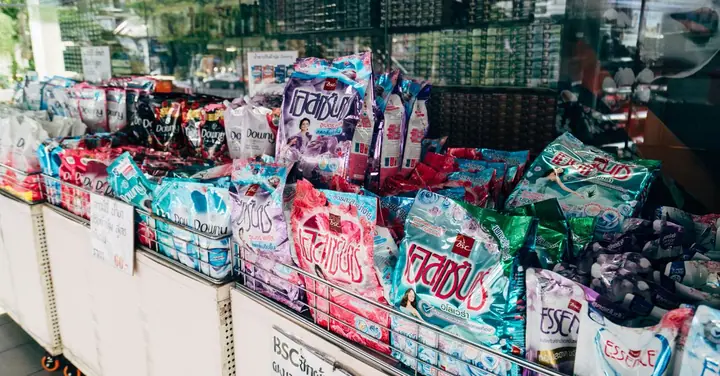
Why store brands matter
Retailer-owned brands change the comparison on a shelf. They may compete on price, quality, or a specific product feature, but the label alone does not reveal which trade-off is being made.
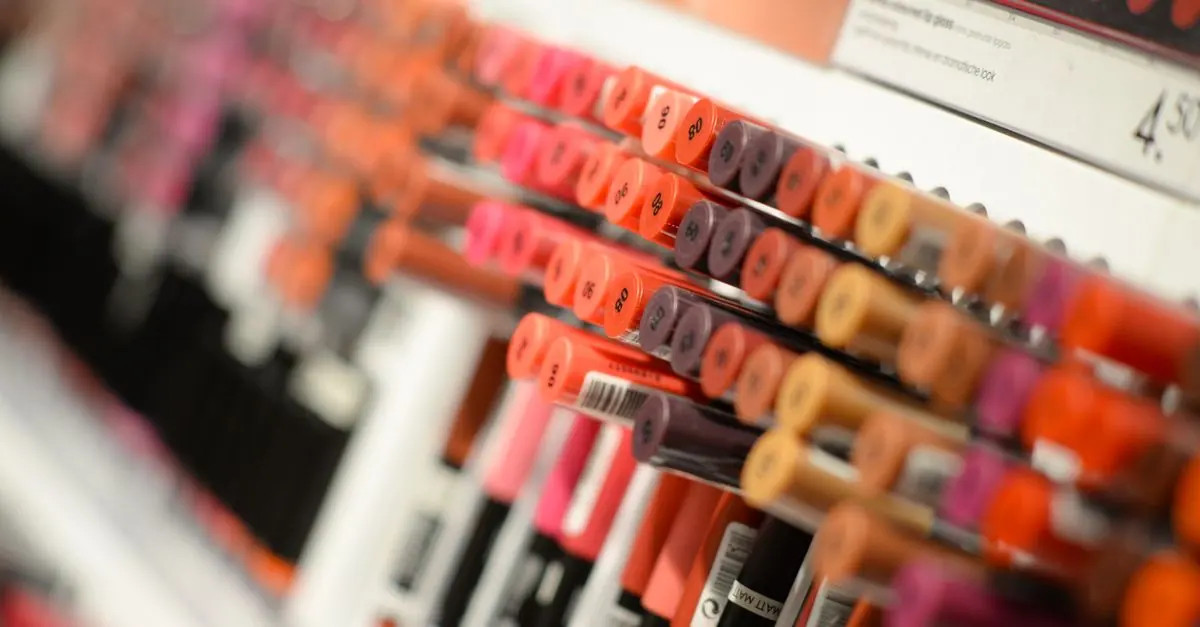

A retailer can also be a brand owner
A shopper compares a national-brand cleaner with a store-brand alternative. The store brand costs less, but the container is smaller and the directions call for a different amount per use. The useful comparison is cost and performance for the task, not brand status alone.
Compare function before identity
Quantity and performance
Retailers can design, source, and price their own lines to meet different customer needs. Some products are made by outside manufacturers, but that fact does not make two formulas identical. Private labels also give retailers more control over packaging and shelf placement, which can influence what shoppers notice first. Examine quantity, ingredients or specifications, suitability, and return terms like any other product. A store brand may offer strong value for a routine purchase and a poor fit for a specialized need. Loyalty discounts and multi-buy terms can further change the final total. The broader market effect is increased choice, but it can also concentrate more decisions about visibility with the retailer that controls the shelf.
Shelf control shapes discovery
Select one store-brand and one outside-brand product that serve the same purpose. Compare usable quantity, performance requirements, final cost, and any condition that would make one unsuitable.
Brand expectations as a bias
Write down the exact task a household product must do. Compare two labels without looking at the brand names first, then reveal the brands and ask whether reputation changed your judgment beyond the evidence you recorded.
Where value may differ
Do not assume a store brand is always cheaper, identical, or inferior. Formulas, package sizes, and promotions vary by product and time.