The economics behind free returns
A free return is convenient for a buyer, but transport, sorting, inspection, and resale still have costs. Those costs help explain why retailers set conditions and why some products are harder to return than others.

The journey back from the doorstep
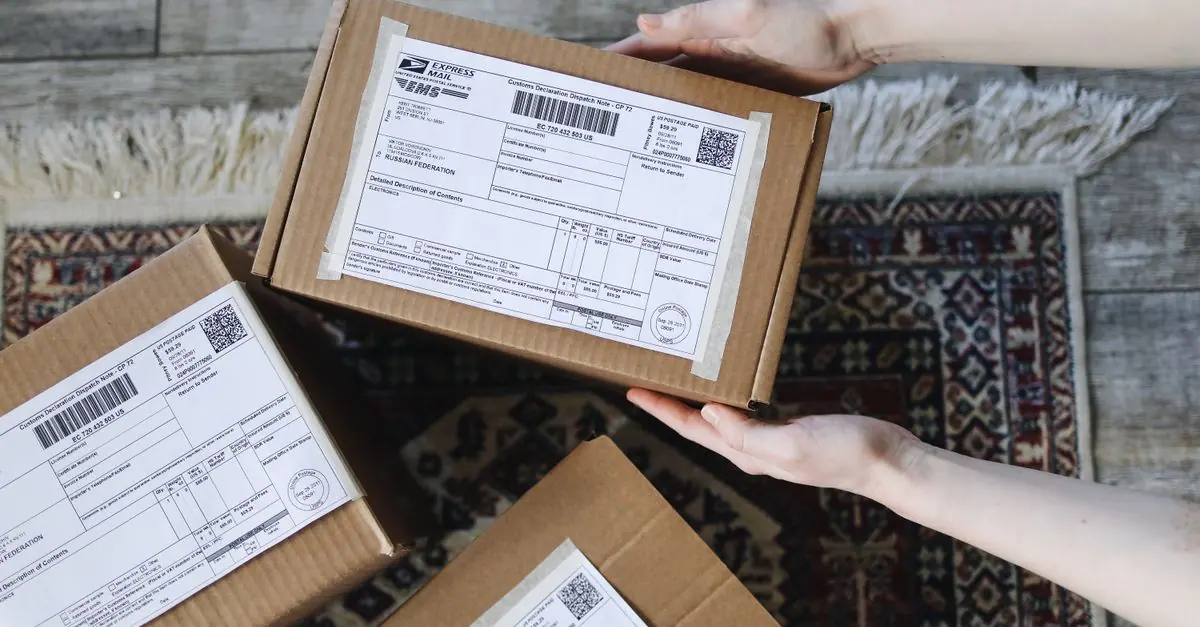
Two online shops both advertise free returns. One processes apparel in its own warehouse; another relies on a marketplace seller and an outside carrier. The same headline may hide very different handling costs and refund timelines.
Who pays for reverse logistics
Inspection and resale
A returned item must travel, be checked, and often be repackaged before it can be sold again. If the item is damaged or inexpensive, processing may cost a substantial share of its value. Retailers may absorb that cost as part of customer service, reflect it in prices, or narrow eligibility by category and condition. A return policy also affects buying behavior: easy returns can encourage trial purchases, while strict terms may deter legitimate buyers. The sensible question is not whether free returns are good or bad in isolation. It is how the policy is funded, which items it covers, and whether shoppers understand the practical process. Environmental effects depend on transport and what happens to the returned product, not just the printed label.
Why conditions vary
Read the exact return route for a product: drop-off, collection, postage, refund timing, and item condition. Compare policies by how they work in practice, not only by whether the label says free.
Refund timing versus return cost
Trace a hypothetical returned item through five steps: pickup, transport, inspection, repackaging, and resale or disposal. Note which steps create cost and how a seller might reduce it without making the process unclear to shoppers.
What the buyer should check
Return handling varies widely by category and seller. Do not infer that a returned item is automatically discarded or resold; seek evidence about the specific process.