Why prices differ across stores
The same product can carry different prices because of inventory, location, service levels, and timing. A price difference alone does not explain its cause.
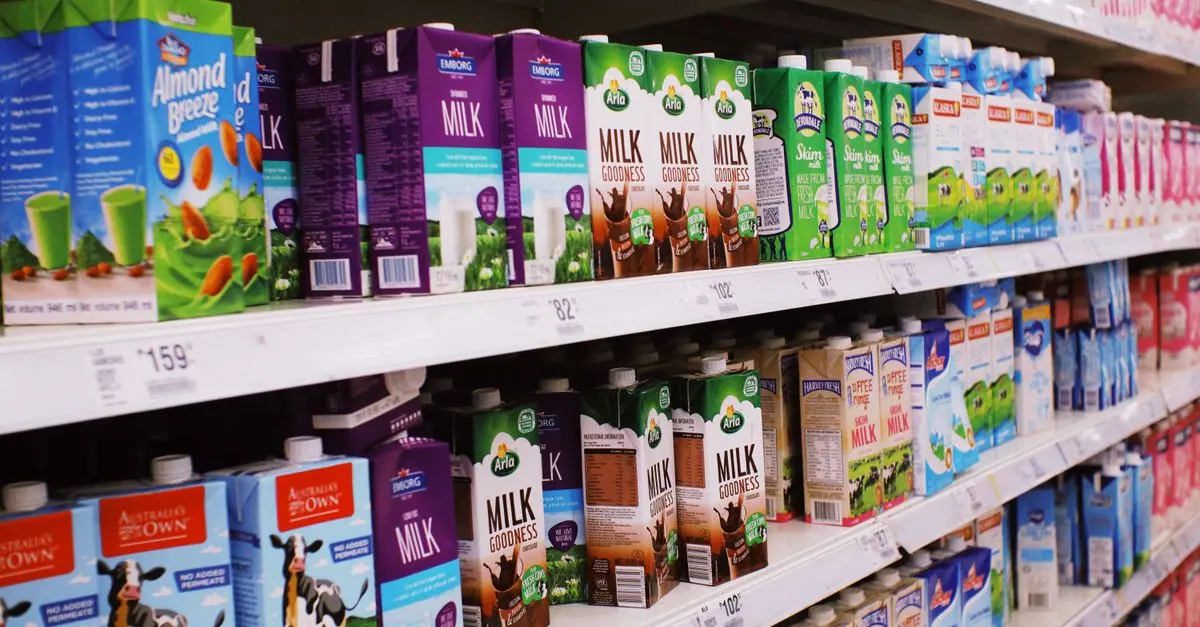
The same item, different offer
A store with a lower item price may charge more for shipping or offer a shorter return window. The two listings are not identical offers until those conditions are put side by side.
What the price may include
Service and shipping
Retail prices reflect different business choices. One seller may hold local stock, provide in-person service, and accept easy returns; another may operate with a lower overhead and narrower support. Promotions, inventory pressure, and delivery arrangements add further variation. To compare fairly, match the exact product and list the full terms. A price gap becomes meaningful only after the underlying offers are made comparable.

Compare exact models
Compare the full offer, including shipping, warranty, and return policy. Track the product model to avoid mixing close variants.
Location and timing
Use one product listing or retailer announcement as a small case study. Separate the seller's claim from independently checkable details such as price, conditions, timing, and comparable alternatives. Note what the listing leaves unclear. If you read reviews or outside commentary, record whose experience they describe. This approach turns a sales message into a more complete picture of the consumer decision.
Capture the final terms
Dynamic pricing and promotions can change quickly. Capture the final checkout terms when making a decision.